Centering the Community in Annual Reporting
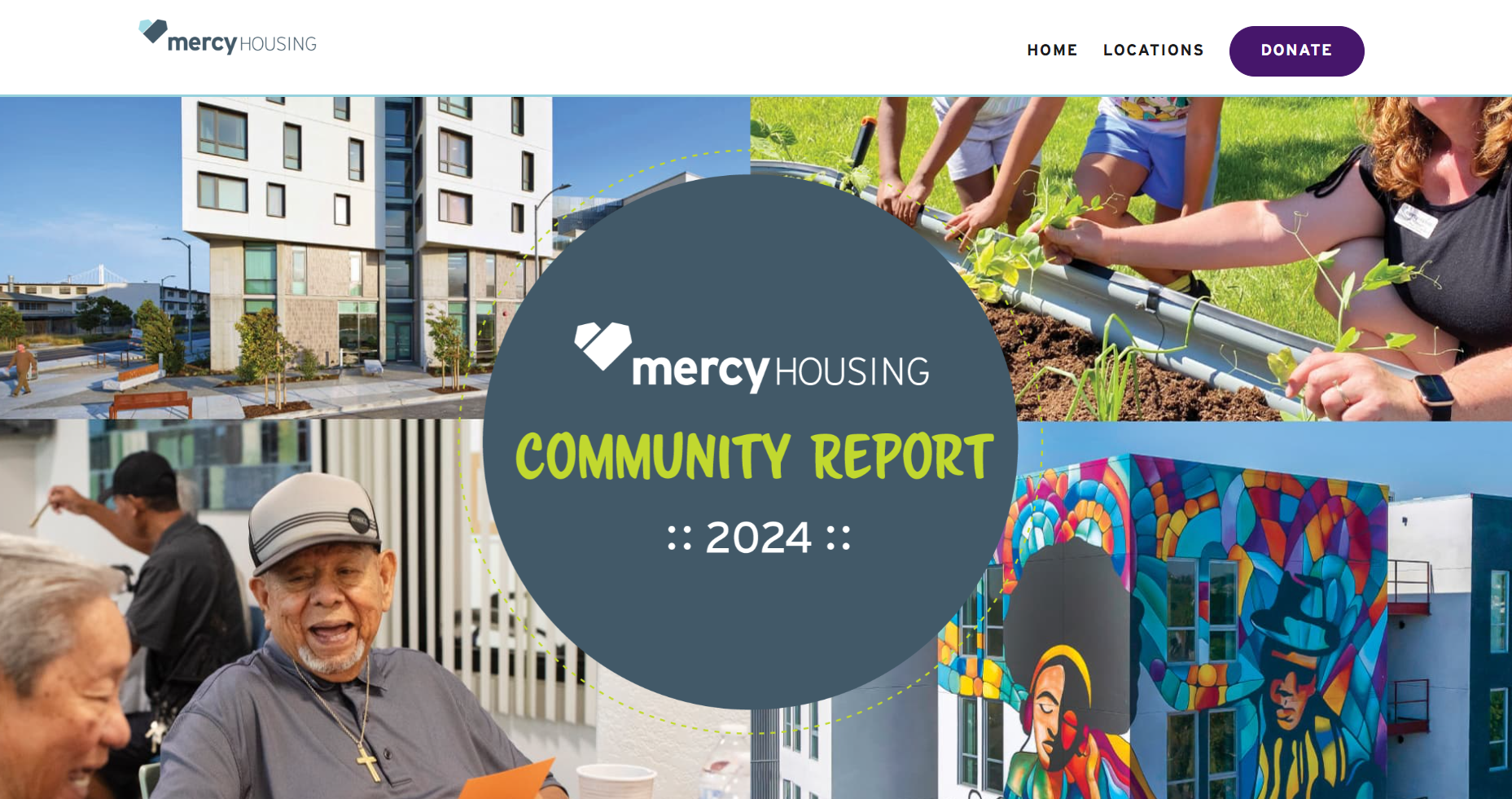
Mercy Housing Community Report interface showing annual reporting titled “Community Report,” March 2026
Mercy House, Observed March 2026
Interface: Annual report
Lens: Explain the Work
Pattern: Community-Centered Framing
Key Signal
The organization labels its annual report as a “Community Report,” shifting the focus from the organization to the communities it serves.
Why It Matters
This changes who the report is about. Instead of framing impact around organizational activity, the language centers community outcomes, positioning the organization as part of a broader system rather than the primary actor.
Observation
Mercy Housing refers to its annual report as a Community Report rather than an Annual Report or Impact Report. The report highlights neighborhood development, resident outcomes, and community stability, aligning the language of reporting with the organization’s broader mission of building strong communities through affordable housing.
Why It Matters
The naming shifts the center of the story. Annual reports typically frame achievements around the organization and its programs. By calling the document a Community Report, the emphasis moves toward the people and places affected by the work. The language positions the organization as a contributor to broader community change rather than the central actor.
Why This Works
Aligns reporting language with the organization’s mission
Shifts focus from institution to impact
Reinforces a community-centered narrative
Signals humility and partnership rather than ownership
Makes outcomes feel shared rather than delivered
What I’m Watching
Whether other housing and community development organizations begin framing annual reporting around community outcomes rather than organizational activity.