New American Pathways Built a Fundraiser Around College Football Loyalty
New American Pathways' Charity Bowl Competitive Giving Campaign, Instagram and Dedicated Site, Observed: June 2026Organization: New American Pathways
Interface: Competitive Giving Campaign
Lens: Invite Participation
Pattern: Identity-Expressing Giving
Key Signal
The campaign gives people a way to express existing loyalty as generosity.
Why It Matters
Leveraging an existing group identity can be a far more powerful giving trigger than introducing audiences to a brand-new mission.
Observation
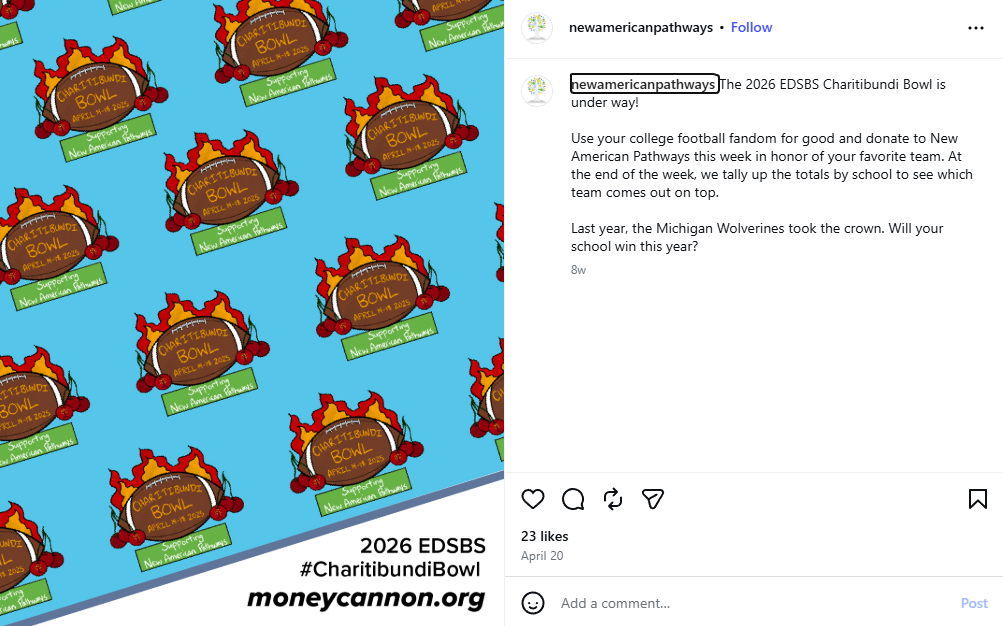
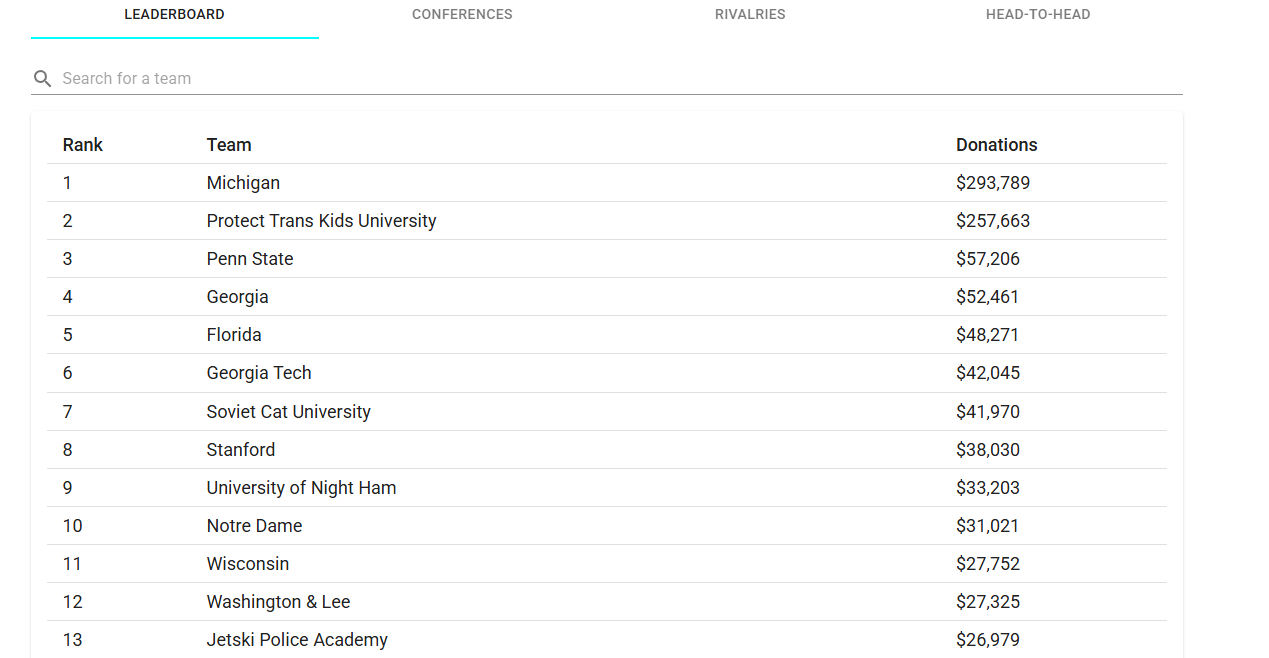
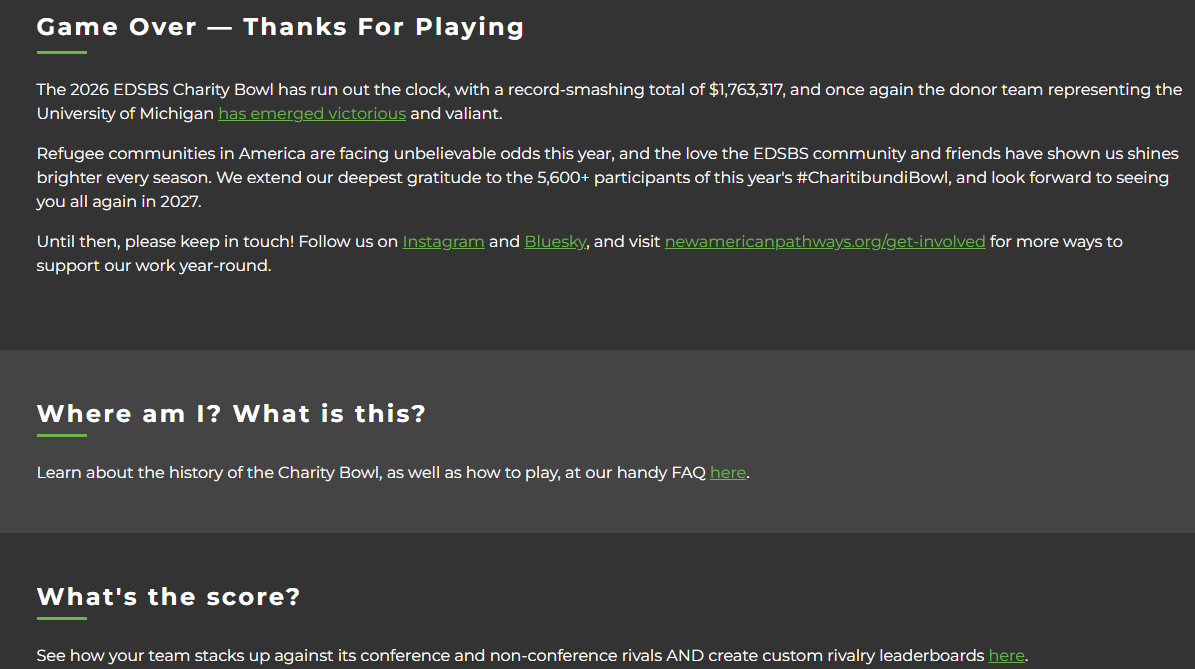
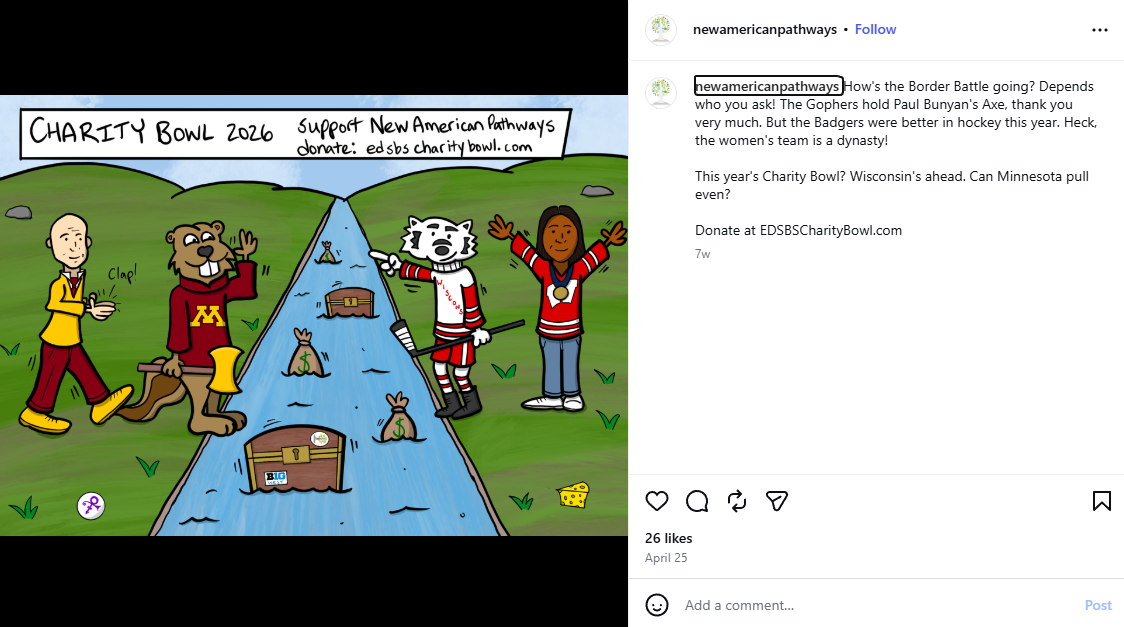
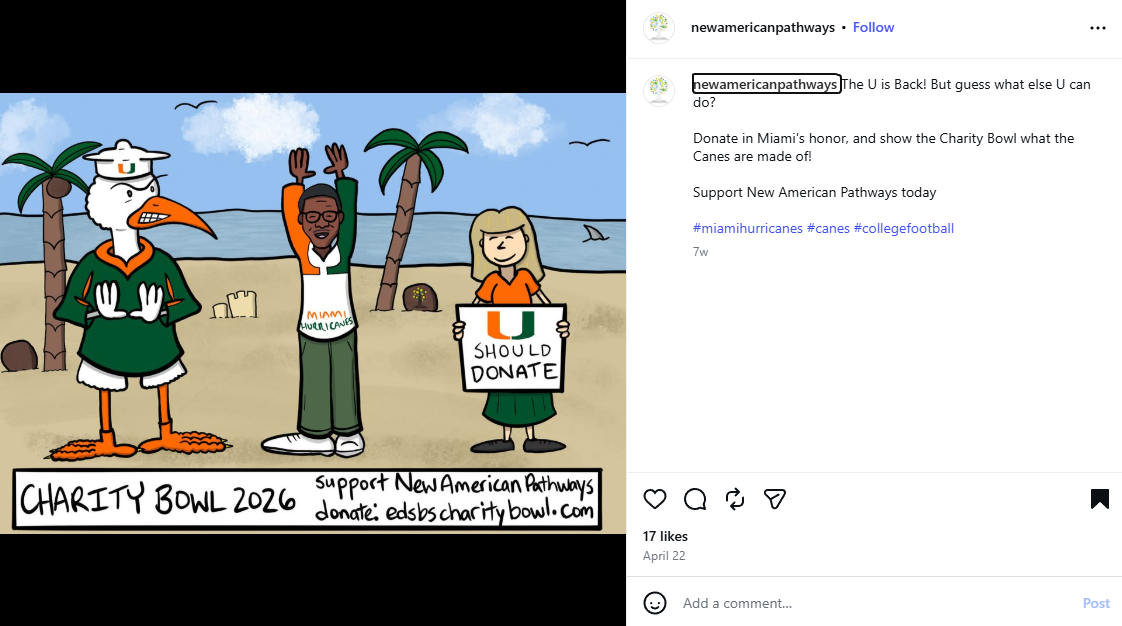
For the past 20 years, college football fans have competed to raise money for New American Pathways, an Atlanta-based refugee resettlement nonprofit. Supporters donate in the name of their school, sometimes in amounts tied to the score of a rivalry game. Schools compete against one another on a public leaderboard, and fans rally behind their teams throughout the campaign.
The fundraiser is organized by the team behind Channel 6 and the Shutdown Fullcast podcast, both of which grew out of the Every Day Should Be Saturday (EDSBS) college football community. Many donors first encounter the campaign through a team, a podcast, or a college football community. The campaign gives them a way to channel that school and community allegiance directly into a shared philanthropic goal.
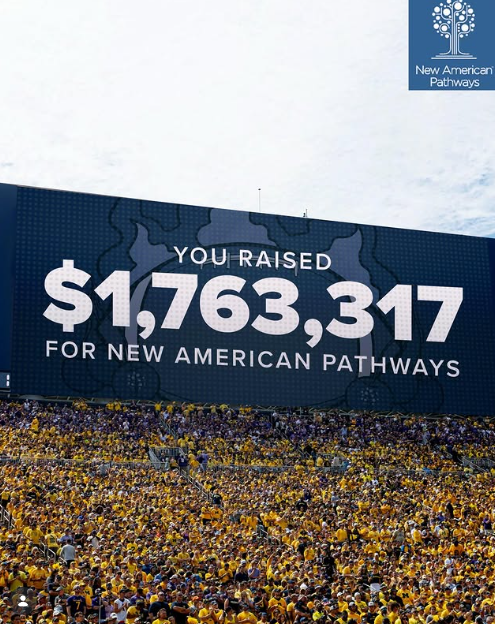
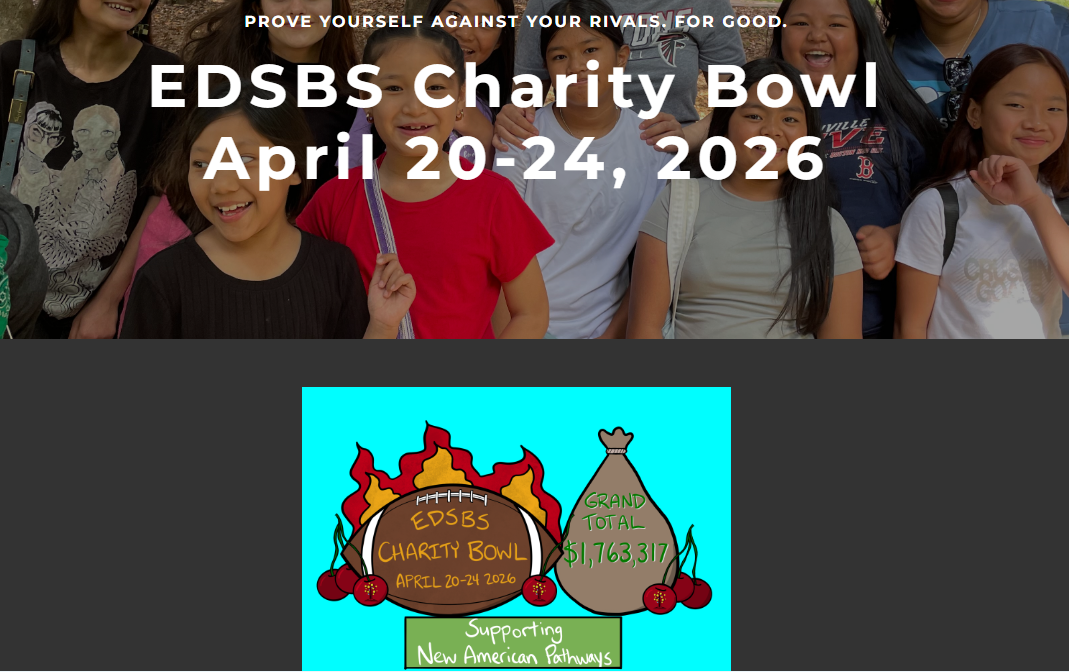
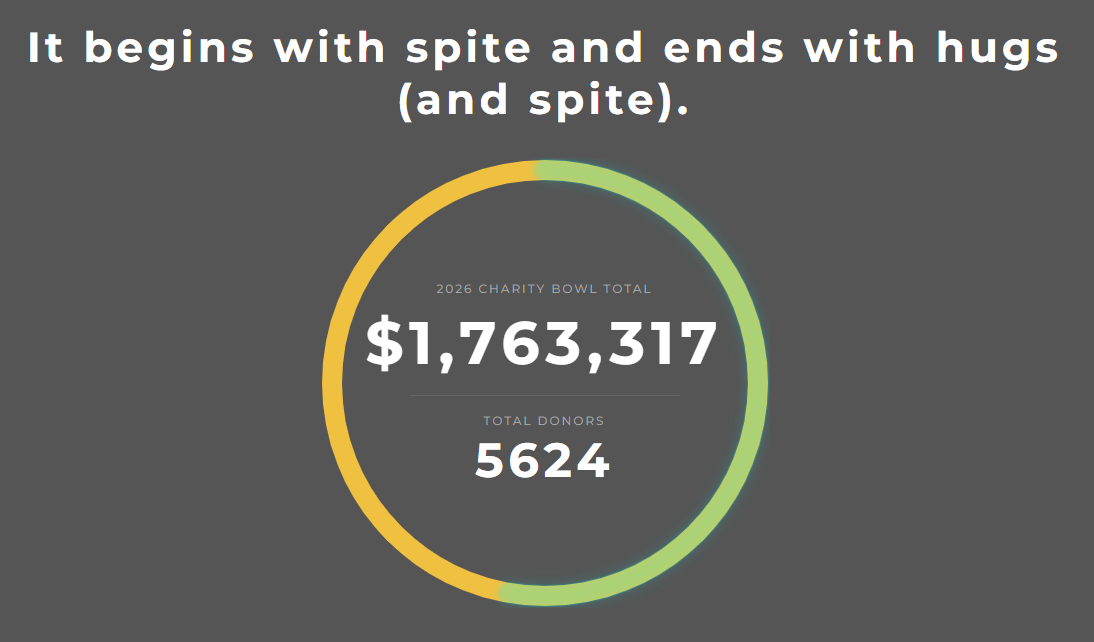
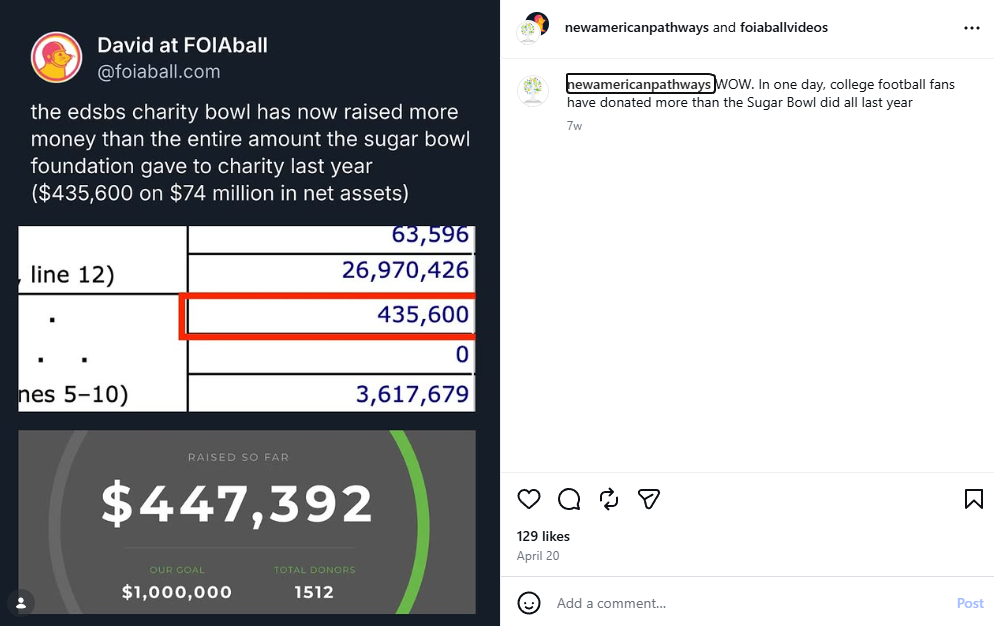
In 2026, the Charity Bowl raised $1,763,317 with more than 5,600 participants. According to the organizers, it is the largest fundraiser in New American Pathways' history. Michigan supporters alone contributed more than $293,789. The campaign grew large enough to support a separate EDSBS Empowerment Fund, which helps refugee families cover expenses that fall outside the organization's core programs, including driving lessons and childcare during job training.
Why It Matters
Many fundraising campaigns focus on introducing people to a mission. The Charity Bowl connects a mission to a community that already shares a strong sense of identity and belonging.
College football fans are not joining a new community when they donate; they are bringing an existing identity into the fundraising experience. Instead of asking supporters to adopt a new organizational affiliation, the format lets them use their school loyalty, rivalries, and community pride as the literal vehicle for supporting refugee families rebuilding their lives.
New American Pathways partnered with a community that already existed and created a format that gave people a reason to participate together. Over time, that partnership has generated significant support for refugee resettlement and related services.
That reality matters because many nonprofits spend significant time trying to create communities around their work. The Charity Bowl shows another path. Sometimes the opportunity is not building a new community. Sometimes it is finding an existing one and creating a way for its members to take action together.
Why This Works
The campaign taps into loyalties that already exist.
Competition creates a reason to participate year after year.
Public leaderboards make participation visible.
Donors contribute as members of a group rather than as individuals acting alone.
The fundraising format is simple to understand and easy to share.
What I'm Watching
Twenty years after it began, the Charity Bowl remains one of New American Pathways' strongest fundraising engines. Sustained growth over that length of time suggests the format continues to resonate with supporters.
The question this campaign raises is whether there are communities beyond your traditional donor base that already share a strong sense of identity, loyalty, and belonging. Alumni networks, professional associations, hobby groups, faith communities, neighborhoods, and fan communities all carry those characteristics.
I'm watching how identity, belonging, and community influence participation across a wide range of causes and community types. Similar patterns are emerging in sports fan communities, creator-led fundraising campaigns, gaming communities, and other affinity groups where participation becomes an expression of an identity people already hold.