Water.org Brand Partnerships Turned Everyday Actions Into Ways to Support the Cause
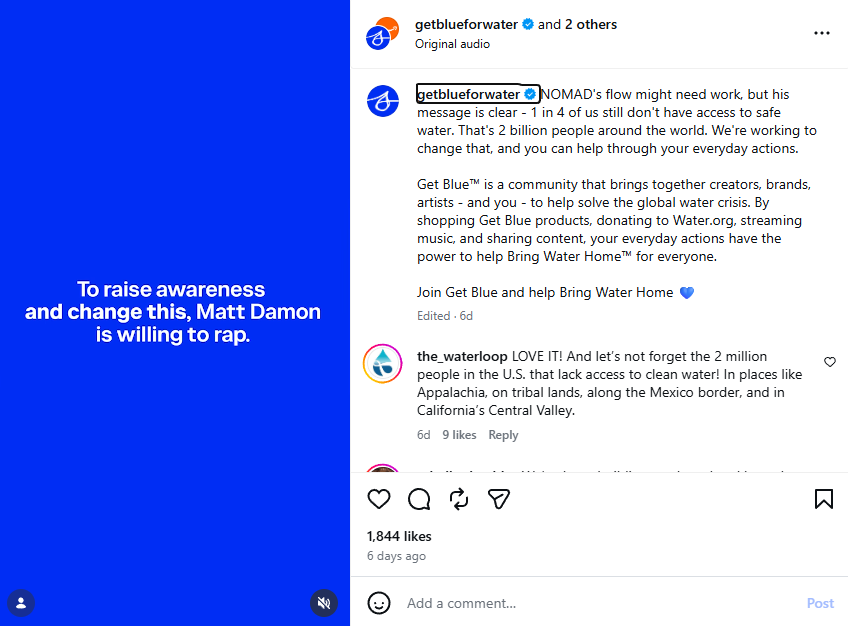
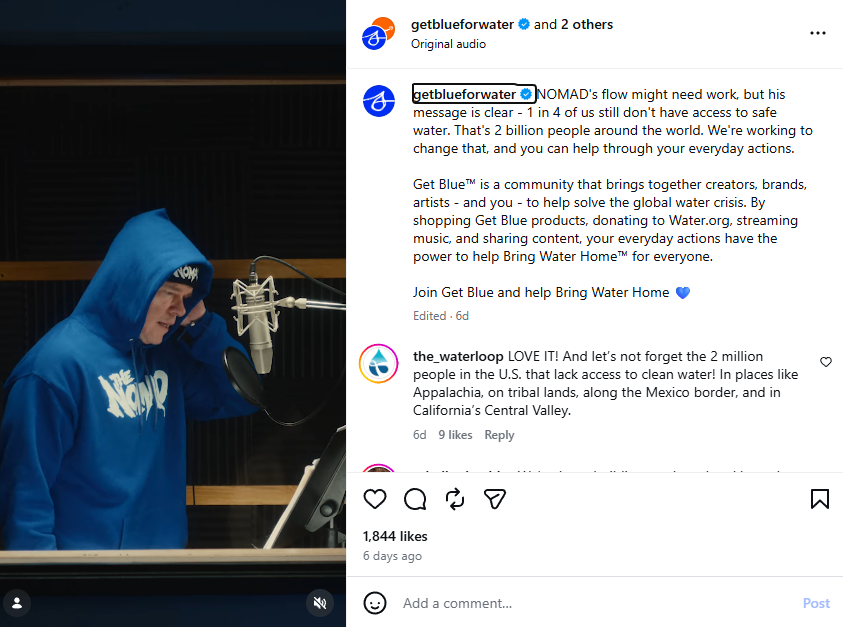
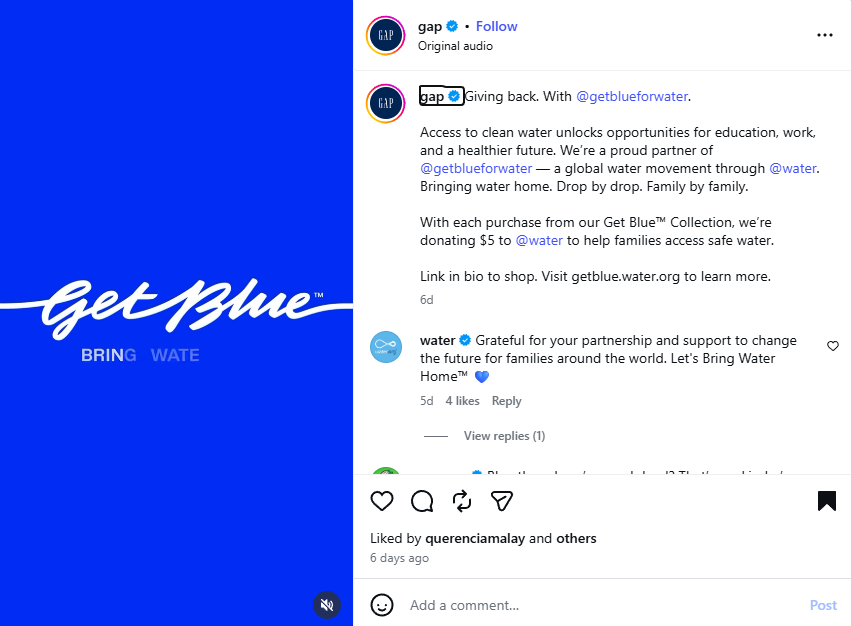
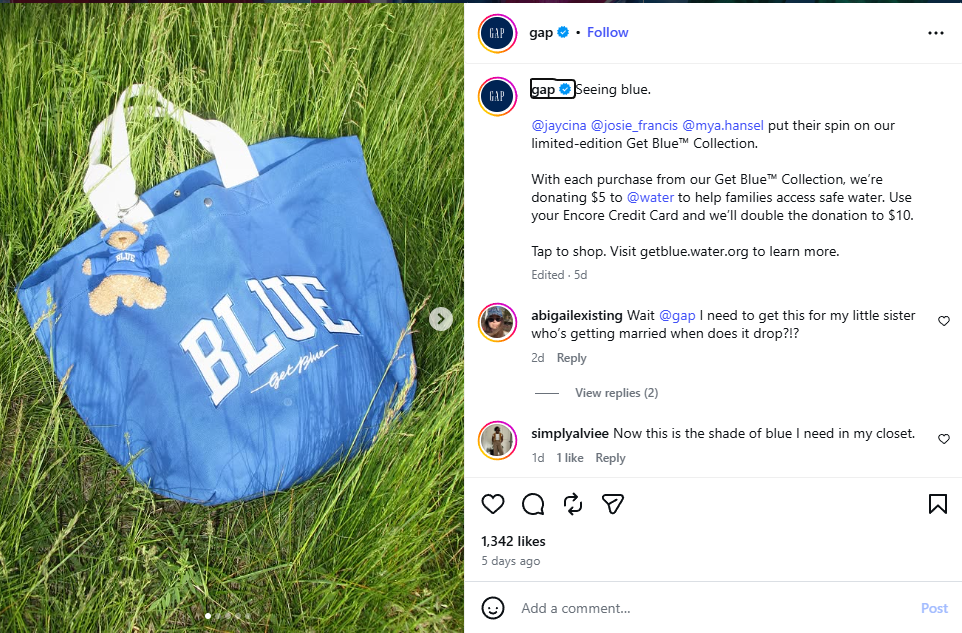
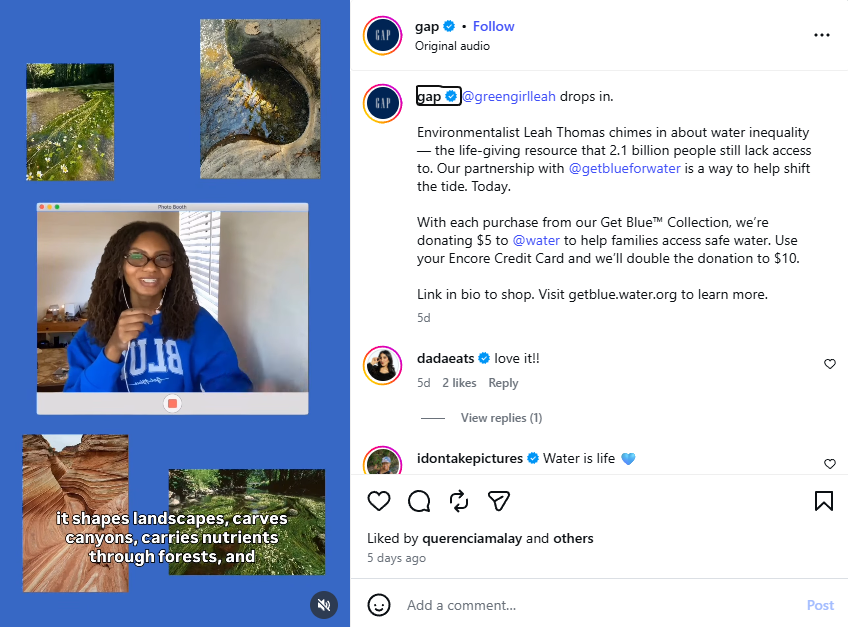
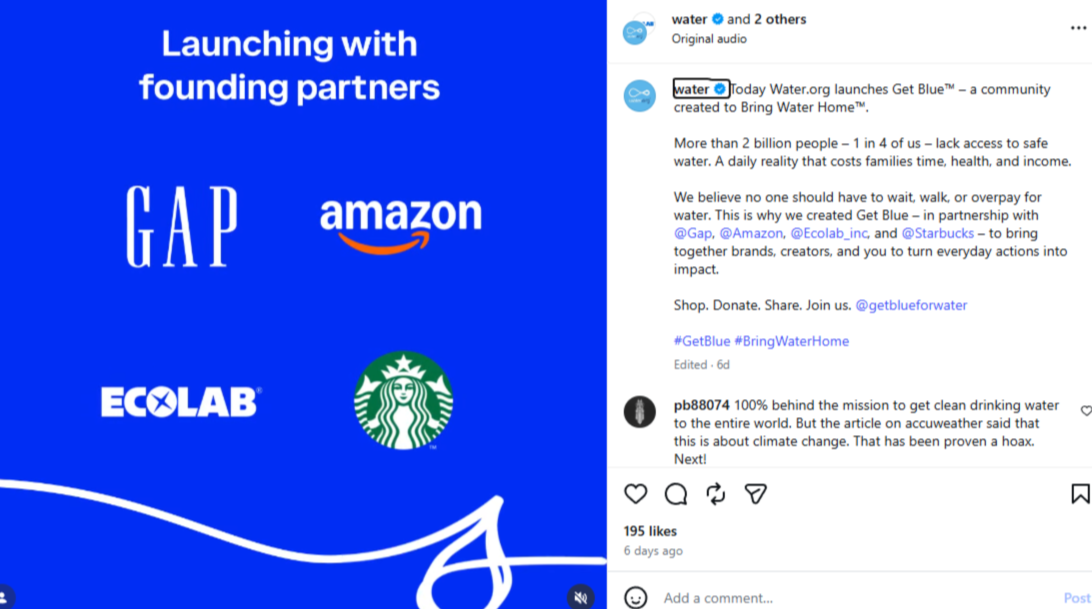
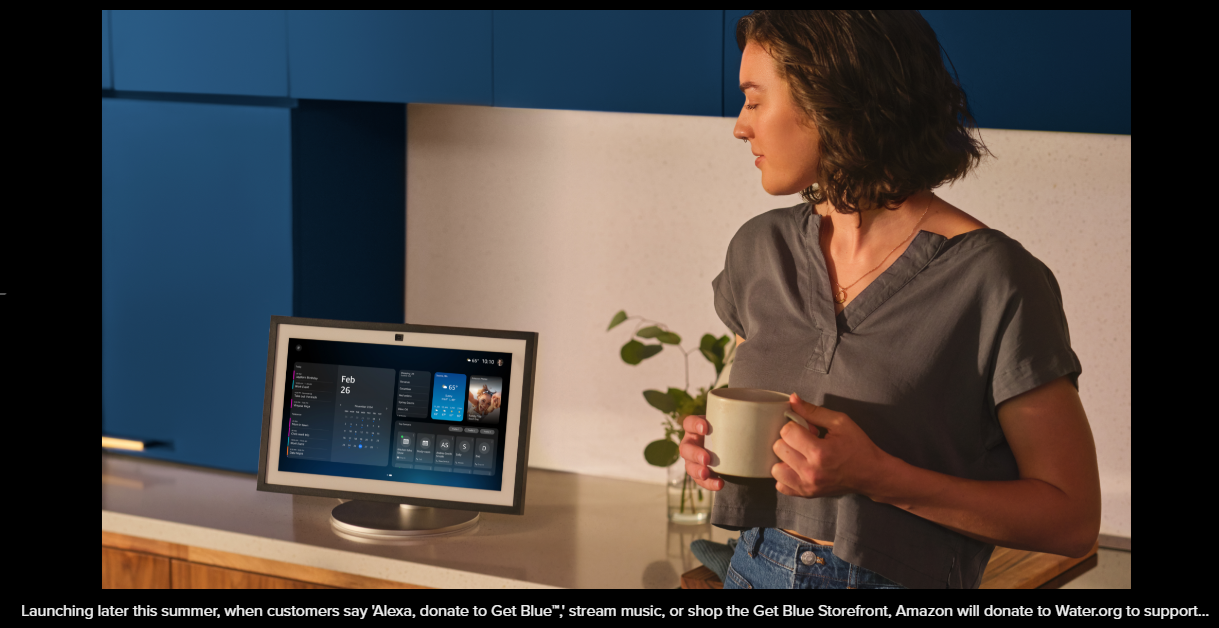
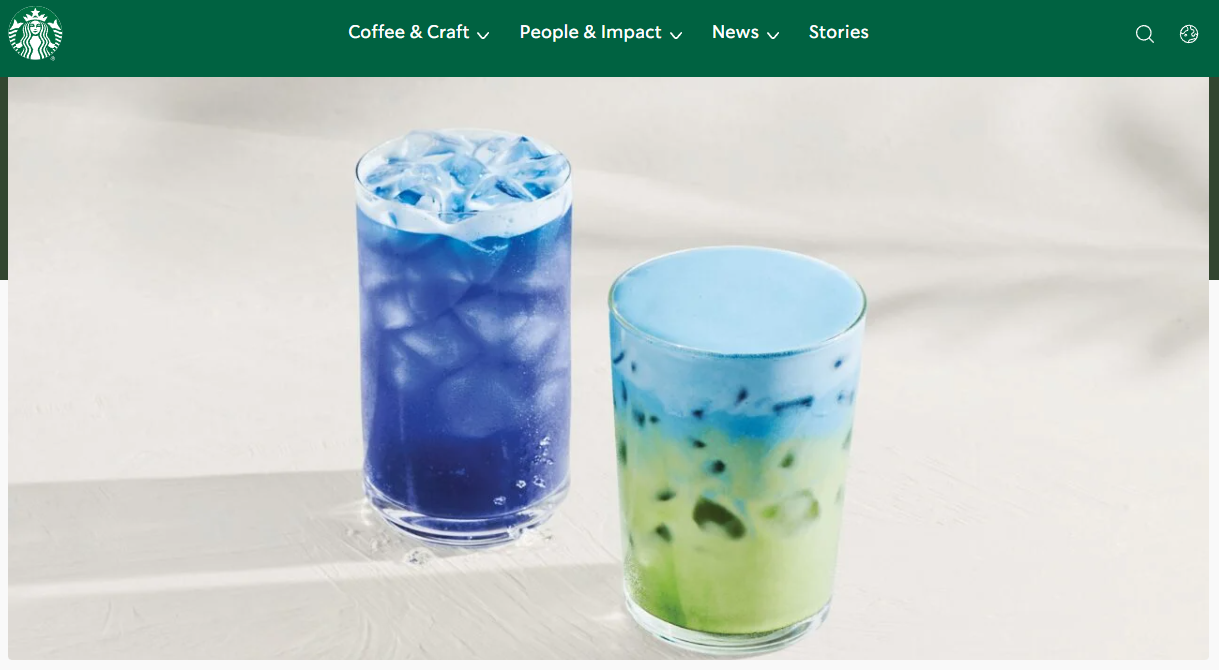
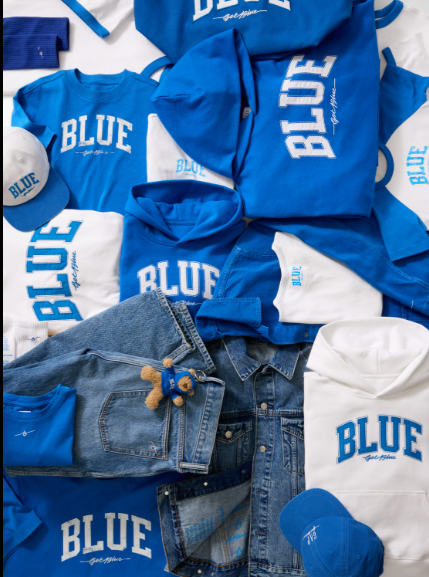
Water.Org's Get Blue brand partnership campaign with GAP, Amazon, EcoLab, and Starbucks, Instagram and brand promotional sites, June 2026Organization: Water.org
Interface: Brand Partnership Campaign
Lens: Invite Participation
Pattern: Participation Through Existing Behavior
Key Signal
The campaign was built around behaviors people already do, rather than asking them to take a separate action.
Why It Matters
When support lives inside existing behavior, participation stops requiring a decision.
Observation
Water.org launched Get Blue on June 9, 2026, with a simple idea: bring support for clean water into everyday life.
The campaign launched with four founding partners:
- Gap released a limited-edition collection with a portion of proceeds supporting Water.org.
- Starbucks introduced two blue-colored beverages tied to the campaign. They introducing two new summer beverages, the Blue Coconut Refresher and Iced Blue Coconut Matcha, starting June 16. Each purchase of these beverages helps support clean water access through Water.org’s Get Blue initiative. From June 16 through July 7, Starbucks will donate 25 cents for every beverage sold.
- Amazon created a voice-activated donation through Alexa.
- Ecolab committed $1 million in support.
Each partner offered a different way to participate, but the framework was consistent. The campaign appeared inside experiences people were already having— purchasing a drink or hoodie, or initiating a voice command.
Why It Matters
Many nonprofit campaigns ask people to stop what they are doing and take an additional step to engage. They need to visit a website, attend an event, sign up, donate, or complete another action.
Get Blue works differently. The campaign appears inside behaviors that already exist. Someone can order a drink, buy a sweatshirt, make a donation through Alexa, or support the campaign through a participating brand. The cause becomes part of an action they were already prepared to take.
This approach does not remove every barrier to participation, but it shortens the distance between interest and action. Instead of asking supporters to create a new habit, the campaign connects support to habits that already exist.
Why This Works
Participation is built into existing behavior.
Supporters do not need to learn a new process.
Each partner contributes a different entry point into the campaign.
The blue color creates a shared visual connection across multiple brands and experiences.
People can participate without making a large financial commitment.
Trust is built through brand support
What I'm Watching
Many organizations spend time creating new actions for supporters to take. Get Blue points in a different direction. It asks what happens when support is built into actions that are already part of everyday life. While there are major barriers for most nonprofits to gain support from brands like GAP and Starbucks, we are living through a more micro niche era that lends greater opportunities to align with smaller brands that have the exact audience your mission aligns with. So it’s really not about Gap or Starbucks. It's about which smaller brand already serves your people and hasn't been asked yet.